

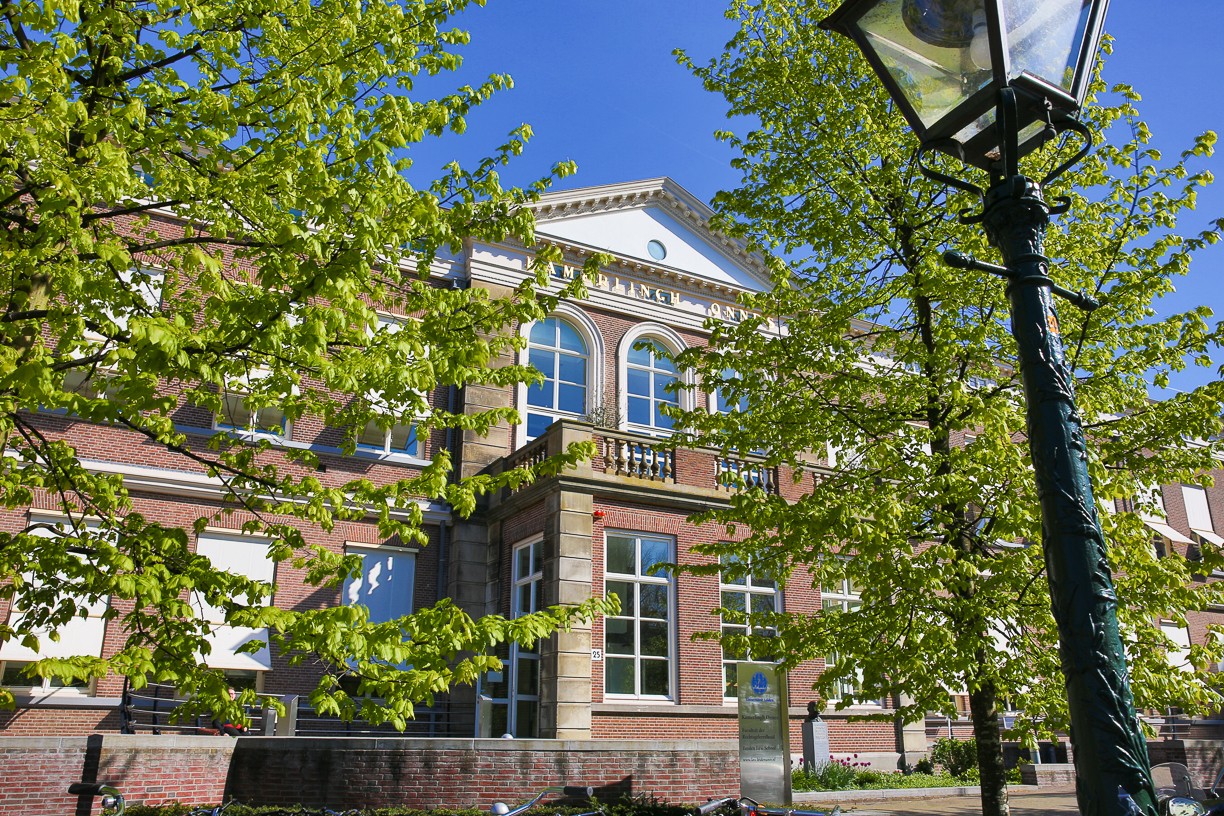
ELaw (Center for Law and Digital Technologies) colleagues had the pleasure of hosting our colleagues from the Centre for IT & IP Law (CiTiP) at KU Leuven for an in-person event focused on exploring synergies and fostering deeper collaboration between our centers.
In the first part of the event, perspectives were shared on education and research. Later in the afternoon, presentations were held on various topics linked to law and technology, such as: the failure of the DSA to protect players of online games (speaker: Martin Sas), the interaction of data protection and cybersecurity under NIS 2 (speaker: Eyup Kun), the evaluation of the combability model of EU data legislation (speaker: Charlotte Ducuing), defining socially assistive robots for the law (speaker: Marie Schwed Shenker), as well as accountability and AI in multi-agency public safety (speaker: Nanou van Iersel).
A highlight of the day was a great presentation by Maria Rebrean on the RESOCIAL Project. During this presentation, Maria shared insights on the project, starting with the project goals. The following goals were mentioned:
- Understanding vulnerability on social media and the metaverse
- Understanding the gaps in law for the protection of those experiencing vulnerability
- Developing Vulnerability-Sensitive Design
- Developing Codes of Conduct and Guidelines for social media platforms
Maria also provided detailed information regarding the project’s timeline, by mentioning inter alia the four phases of the project and the corresponding work packages occurring during said phases. Significant focus was placed on three key questions which lie at the heart of the project’s research: Who is vulnerable? Vulnerable to what? Vulnerable when?
As a preliminary response to these questions, the presenter delved into the concept of human vulnerability, considering factors such as its multidimensionality and usage within the EU digital law sphere. A couple of digital legal statistics were addressed, particularly the frequency of the term “vulnerability” in crucial legal instruments, such as the UCPD, GDPR, DSA and AI Act. Finally, the mix-method approach (which included a survey, focus groups and workshops) to be employed in the RESOCIAL project to study human vulnerability was referenced and explained to our colleagues at KU Leuven.
Meetings like these serve as a powerful reminder of the impact of collaboration and a shared vision, and we are enthusiastic about the future possibilities for both of our research centers!